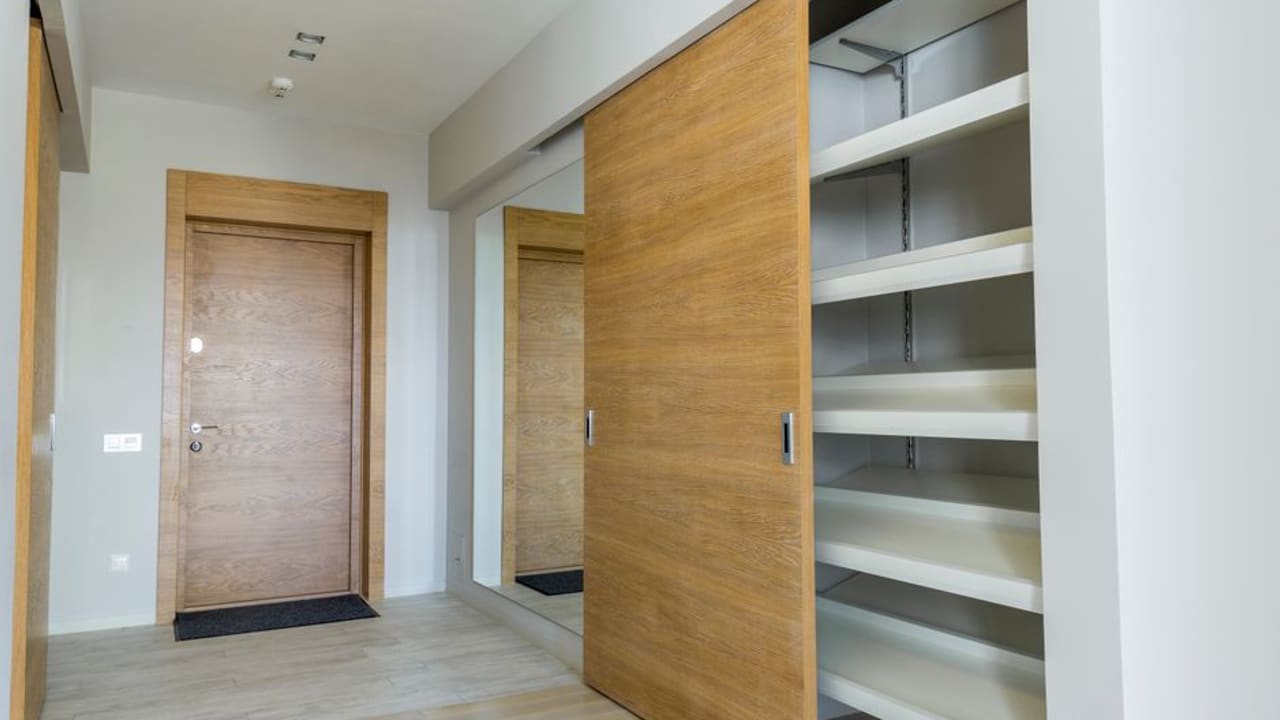
Sliding Wardrobe vs. Hinged: The Ultimate UX Design Guide for Your Home Storage
In the world of design, whether digital or physical, the ultimate goal is always the same: create an intuitive, efficient, and satisfying experience for the user. While Genforge Studio specializes in crafting flawless digital experiences, the principles of User Experience (UX) design apply universally – even to something as seemingly simple as your home wardrobe. Choosing between a sliding wardrobe and a hinged wardrobe isn't just about aesthetics; it's a critical UX decision that impacts your daily routine, space utilization, and overall home functionality. A poorly chosen wardrobe can lead to daily frustrations, wasted time, and visual clutter, much like a poorly designed website can drive users away. In fact, studies show that effective home organization can save up to 30 minutes daily in searching for items, highlighting the tangible impact of good physical UX.In This Article:
- Understanding the core UX differences between sliding and hinged wardrobes
- A step-by-step guide to choosing the right wardrobe for your space and needs
- Common design mistakes to avoid in physical storage solutions
- The tangible benefits of applying UX principles to your home environment
- How Genforge Studio's digital UX expertise mirrors these physical design strategies
What is Sliding Wardrobe vs. Hinged from a UX Perspective?
At its core, the choice between a sliding and hinged wardrobe is a decision about user interaction, accessibility, and space optimization – fundamental pillars of UX design. Each type presents a unique "interface" for accessing your belongings, with distinct advantages and disadvantages that directly affect your daily experience. * **Hinged Wardrobes:** These are the traditional choice, featuring doors that swing outwards. From a UX standpoint, they offer full visibility of the wardrobe's contents when open, allowing for an immediate overview and easy access to all sections simultaneously. However, their "interface" requires clear floor space in front of the wardrobe for the doors to open, directly impacting the user's movement flow within the room. * **Sliding Wardrobes:** These modern alternatives feature doors that glide horizontally along tracks, overlapping one another. Their UX advantage is primarily spatial: they require no external clearance, making them ideal for tight spaces or narrow rooms. However, their "interface" means only a portion of the wardrobe is accessible at any given time, requiring the user to slide doors to navigate through sections, which can introduce a slight friction in the access flow. Understanding these operational differences through a UX lens is crucial for making an informed decision that truly enhances your living space. It's about anticipating how you'll interact with the storage daily and designing for that interaction.Here are some key UX considerations for each type:"Whether designing a physical space or a digital interface, the core principle remains: understand the user's journey, anticipate their needs, and eliminate friction. A well-designed wardrobe, much like an intuitive app, empowers the user and enhances their daily experience."
— Dr. Evelyn Reed, Human-Centered Design Ethicist
- **Space Efficiency:** Sliding wardrobes excel in rooms with limited floor space, as their doors don't protrude. Hinged wardrobes demand an "interaction zone" for door swing.
- **Accessibility & Visibility:** Hinged doors offer a complete, unobstructed view of the wardrobe's interior, making it easier to locate items. Sliding doors always obscure a portion, requiring more physical interaction to view all contents.
- **Aesthetics & Integration:** Sliding wardrobes often present a sleek, minimalist facade, seamlessly blending into modern interiors. Hinged wardrobes can offer more decorative options with varied handles and panel designs, contributing to a more traditional or classic aesthetic.
- **Maintenance & Durability:** Hinged mechanisms are generally simpler and less prone to issues than sliding tracks, which can accumulate dust or suffer from misaligned rollers over time.
- **Installation & Customization:** Hinged wardrobes are typically easier to install and customize with internal fittings. Sliding systems require precise alignment for smooth operation, which can be more complex.
Step-by-Step: Designing Your Ideal Wardrobe with UX Principles
Just as Genforge Studio follows a rigorous UX design process for digital products, applying a structured approach to your wardrobe selection ensures optimal functionality and satisfaction. This isn't just about picking a style; it's about designing for your specific needs and environment.-
Understand Your User (You!):
Begin by analyzing your own habits and needs. What do you store? How often do you access specific items? Do you prefer to see everything at once, or is a segmented view acceptable? Consider your height, mobility, and any specific requirements for accessing items. This is akin to creating a user persona in digital UX – understanding who the product is for.
-
Audit Your "Digital Real Estate" (Room Space):
Measure your room meticulously. Consider not just the wall space, but also the clearance needed for other furniture, doorways, and walking paths. A sliding wardrobe is often the default choice for narrow rooms or hallways, while a hinged wardrobe might be feasible in larger spaces where door swing won't obstruct flow. This step is analogous to analyzing screen real estate for a responsive web design.
-
Map Your "User Journey" (Daily Routine):
Walk through your typical morning and evening routines. Where do you get dressed? Do you need simultaneous access to multiple wardrobe sections (e.g., clothes, shoes, accessories)? If you often access items from different sections at once, a hinged wardrobe might offer a smoother "user journey." If sequential access is fine, a sliding wardrobe works well. This helps identify friction points.
-
Prioritize "Features" (Internal Organization):
Beyond the doors, what internal components do you need? Shelves, drawers, hanging rails, shoe racks, tie holders? A well-designed interior is paramount for a good UX. Ensure the internal layout aligns with your storage needs, irrespective of the door type. Both wardrobe types can accommodate diverse interiors, but some fittings might be easier to integrate with one over the other.
-
Consider "Aesthetic Integration" (Room Style):
While functionality is key, the wardrobe's appearance significantly contributes to the room's overall UX. Does your room lean modern, traditional, minimalist, or eclectic? Sliding wardrobes often suit contemporary designs, while hinged options offer more versatility in paneling and hardware. The wardrobe should complement, not clash with, its environment.
-
Future-Proofing & Scalability:
Think long-term. Will your storage needs change? Is there potential to expand or reconfigure the wardrobe? While less common than with digital products, considering the longevity and adaptability of your physical storage solution is a valuable UX principle. A well-built wardrobe is an investment in your daily comfort for years to come.
Sliding vs. Hinged Wardrobes: A UX Feature Showdown
To help you make an informed decision, let's break down the core features and their UX implications in a direct comparison. This table highlights how different design choices affect user interaction and overall satisfaction. Genforge Studio applies a similar analytical approach when evaluating features for web and app development, ensuring every element serves a purpose and enhances the user experience.| UX Feature/Aspect | Sliding Wardrobe | Hinged Wardrobe |
|---|---|---|
| Space Efficiency | Excellent: Doors slide horizontally, requiring no external clearance. Ideal for narrow rooms or tight spaces. | Moderate: Doors swing outwards, requiring significant clear floor space in front. Can obstruct walkways. |
| Accessibility & Visibility | Good: Only one section is fully visible/accessible at a time. Requires sliding doors to view entire contents. | Excellent: All doors open simultaneously, providing full, unobstructed view and access to the entire wardrobe. |
| Aesthetic Integration | Sleek, modern, minimalist. Can blend seamlessly into walls, often with full-length mirror options. | Versatile, traditional, classic. Allows for diverse handle designs, paneling, and decorative elements. |
| User Flow & Ergonomics | Smooth, linear movement. Less physical effort for opening, but requires sequential access. | Direct, immediate access to all items. Can create temporary obstructions in room flow when open. |
| Maintenance & Durability | Requires regular cleaning of tracks to prevent dust build-up; rollers may need occasional adjustment or replacement. | Generally lower maintenance; hinges are robust but can sag over time if overloaded or poorly installed. |
| Installation Complexity | Higher: Requires precise measurement and alignment for smooth, silent operation of tracks and rollers. | Lower: Simpler to install, though proper door alignment and leveling are still important for longevity. |
| Customization Potential | Good: Interior can be highly customized. Door panels can be varied (e.g., glass, mirror, wood). | Excellent: More flexibility in door styles, handles, and intricate internal configurations due to full access. |
| Cost Implications | Often slightly higher due to complex tracking mechanisms and specialized hardware. | Generally more budget-friendly, especially for standard sizes and materials. |
Top UX Blunders in Wardrobe Design to Avoid
Even with the best intentions, it's easy to make design choices that lead to daily frustration. Recognizing these common pitfalls is crucial for creating a truly user-friendly storage solution. These are the physical equivalents of poor navigation, slow load times, or confusing layouts in a digital product.❌ Ignoring User Flow and Room Traffic
One of the biggest mistakes is failing to consider how the wardrobe interacts with the rest of the room. A hinged wardrobe door that constantly blocks a doorway or pathway creates significant friction. Similarly, a sliding wardrobe that makes a frequently accessed section difficult to reach due to other furniture is a poor UX choice.
- Always map out your room's traffic patterns before deciding on door type.
- Ensure ample clearance for hinged doors to open fully without obstruction.
- Position sliding wardrobes where their overlapping doors won't hinder access to other essentials.
❌ Underestimating Storage Needs & Internal Layout
Focusing solely on the exterior can lead to an interior that doesn't meet actual storage requirements. A beautiful wardrobe is useless if it can't hold your clothes efficiently or if items are constantly crumpled. Poorly designed internal components contribute to daily frustration and clutter.
- Conduct a thorough inventory of what you need to store (hanging, folded, accessories, shoes).
- Prioritize adjustable shelving and hanging rails for flexibility.
- Integrate drawers, dividers, and specialized compartments for smaller items to maintain organization.
❌ Choosing Form Over Function (or Vice-Versa)
While aesthetics are important, a wardrobe that looks stunning but is impractical is a UX failure. Conversely, a highly functional but visually jarring wardrobe detracts from the room's overall experience. The goal is a harmonious balance.
- Don't sacrifice accessibility for a sleek look if it means daily inconvenience.
- Ensure materials are durable and easy to maintain, not just visually appealing.
- Consider long-term usability over fleeting trends.
❌ Overlooking Future Needs & Adaptability
A wardrobe is a long-term investment. Failing to anticipate changes in your lifestyle, wardrobe size, or the room's function can lead to an outdated and inefficient storage solution down the line. A rigid design lacks scalability.
- Opt for modular internal systems that can be reconfigured.
- Choose neutral finishes that can adapt to evolving room decor.
- Consider built-in options that can be seamlessly integrated and potentially modified.
The UX Payoff: Benefits of Smart Wardrobe Choices
When you apply thoughtful UX principles to your wardrobe selection, the benefits extend far beyond just storing clothes. A well-designed wardrobe contributes significantly to your daily well-being, efficiency, and the overall aesthetic harmony of your home. It's an investment that pays dividends in reduced stress and increased satisfaction, much like a high-performing website leads to higher conversions and user loyalty. Poorly designed storage solutions contribute to over 40% of household clutter-related stress, underscoring the importance of getting this right.- ✅ **Maximized Space Utilization:** A smart wardrobe choice, perfectly tailored to your room, ensures every inch is used effectively. This means less wasted space and more room for living, especially critical in the local area's often compact living environments.
- ✅ **Enhanced Daily Routine & Efficiency:** Imagine a morning where finding your outfit is effortless. With intuitive access and clear organization, a well-designed wardrobe streamlines your daily routine, saving precious time and reducing decision fatigue.
- ✅ **Increased Property Value & Appeal:** Thoughtful built-in storage solutions are highly attractive to potential buyers. A custom, functional wardrobe can increase a home's perceived value by up to 5-10%, making it a wise investment.
- ✅ **Visual Harmony & Reduced Clutter:** A wardrobe that integrates seamlessly with your room's design contributes to a calm, organized aesthetic. When everything has its place, visual clutter is minimized, promoting a sense of peace and order.
- ✅ **Improved Accessibility & Ergonomics:** Designing for your specific needs, whether it's easy access for someone with mobility challenges or optimal height for children's clothes, ensures a truly ergonomic experience that serves all users.
What the local area Homeowners Must Know About Smart Storage
For homeowners in the local area, the choice between a sliding and hinged wardrobe takes on particular significance. Our region's diverse housing landscape, from cozy urban apartments to spacious suburban homes, presents unique challenges and opportunities for storage design. Just as Genforge Studio understands the nuances of the local area's digital market to build conversion-focused online experiences, we recognize that physical space optimization is paramount here. * **Space is a Premium:** In many local area urban dwellings, every square foot counts. This often makes sliding wardrobes a highly attractive option due to their minimal footprint, allowing for better furniture placement and flow in smaller rooms. Hinged wardrobes, while offering full access, can quickly eat into valuable floor space in compact bedrooms. * **Lifestyle Considerations:** The local area's active lifestyle often means diverse storage needs – from sports equipment to work-from-home essentials. Wardrobes need to be highly adaptable with modular interiors that can accommodate various items, not just clothes. This requires careful UX planning for internal components, irrespective of door type. * **Aesthetic Trends:** Modern local area homes often lean towards clean lines, minimalist aesthetics, and integrated solutions. Sliding wardrobes, with their sleek, flush designs, tend to align perfectly with these contemporary trends, contributing to a cohesive interior design. * **Customization is Key:** Off-the-shelf solutions rarely fit perfectly. Local homeowners often benefit from custom-built wardrobes that are precisely measured and designed to fit awkward nooks, sloped ceilings, or specific wall dimensions, maximizing every available storage opportunity. This bespoke approach mirrors Genforge Studio's tailored digital product engineering, where solutions are crafted specifically for client needs. Genforge Studio understands that just as digital users in the local area expect seamless online experiences tailored to their needs, homeowners demand physical spaces that are equally intuitive and efficient. The principles of designing for user satisfaction, efficiency, and aesthetic appeal are universal.How Genforge Studio Elevates Your Digital Experience
You might be wondering, "What does an IT agency have to do with wardrobes?" The answer lies in the fundamental principles of UX design. The challenges of designing an effective wardrobe – space optimization, user flow, accessibility, aesthetics, and long-term functionality – are precisely the same challenges Genforge Studio tackles in the digital realm. We apply this human-centered approach to every website, app, and digital product we engineer, ensuring your online presence is as intuitive and efficient as a perfectly designed physical space. Here's how Genforge Studio translates these universal UX principles into tangible digital success for your business:- **Intuitive UI/UX Design:** Just as a well-designed wardrobe makes finding clothes effortless, our UI/UX experts craft digital interfaces that are easy to navigate, visually appealing, and guide users seamlessly towards their goals. We eliminate digital friction, ensuring a smooth "user journey" on your website or app.
- **Performance-Driven Web & App Development:** We build fast, scalable, and robust digital platforms. Think of it like the smooth, durable mechanism of a high-quality wardrobe – it functions flawlessly day in and day out. Our development ensures your digital products are reliable, secure, and deliver an optimal experience across all devices.
- **Technical SEO for Discoverability:** A beautifully organized wardrobe is only useful if you can find it! Similarly, a stunning website needs to be discoverable. Our technical SEO expertise ensures your online presence ranks well on search engines, connecting your business with the right audience and converting visitors into loyal customers.
- **Digital Product Engineering:** From concept to launch, we provide holistic solutions, much like designing an entire custom storage system for your home. We understand your business objectives and engineer digital products that are not only visually strong but also strategically aligned to drive conversions and growth.
Ready to Protect Your Business?
Genforge Studio combines cutting-edge web and app development with expert UI/UX design and technical SEO to build digital experiences that truly convert. We help local area businesses thrive online by creating fast, scalable, and user-centric platforms.
Contact Genforge Studio today for a free consultation →